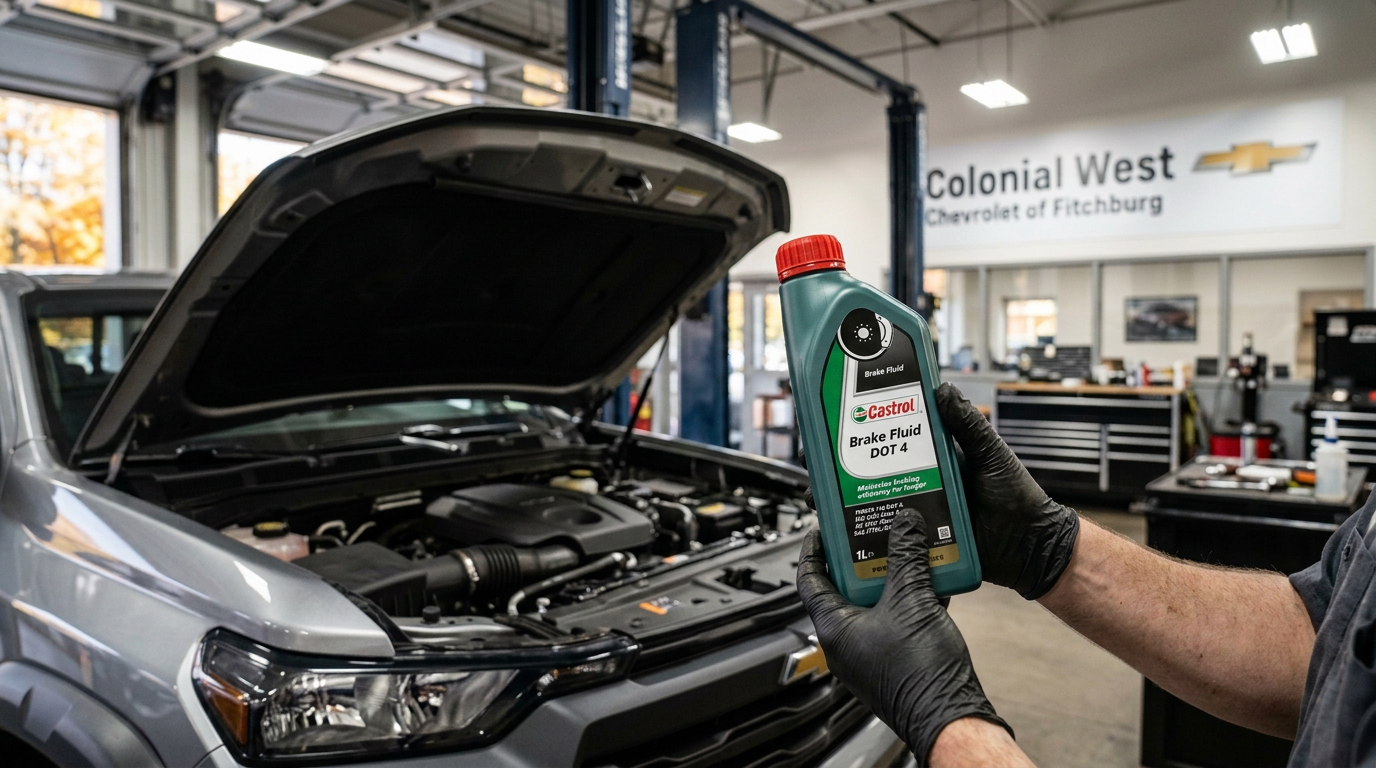


Most Chevrolet models require a brake fluid flush every three to five years (or roughly 45,000 miles), while transmission fluid service intervals typically range from 45,000 miles under severe driving conditions to 90,000 miles under normal highway use. Adhering to these factory schedules prevents hydraulic line corrosion, maintains firm pedal pressure, and protects complex gear assemblies from thermal breakdown. Hydraulic brake fluid is hygroscopic, meaning it actively absorbs moisture from the surrounding air over time. Moisture contamination lowers the boiling point of the fluid, which can lead to a spongy brake pedal or reduced stopping power during emergency braking. Chevrolet transmission fluid serves dual roles as both a mechanical lubricant and a hydraulic fluid that enables gear shifts. Over time, heat and mechanical friction degrade the additive package in transmission fluid, reducing its ability to protect gears, clutches, and bearings. For drivers searching for maintenance near Leominster and Fitchburg, keeping up with fluid changes ensures long-term vehicle safety and prevents expensive mechanical repairs. While routine inspections occur during standard oil changes, full fluid replacements follow specific time and mileage triggers outlined in your Chevrolet owner's manual. To visit our dedicated service facility at 314 John Fitch Hwy in Fitchburg, drivers can easily reach us via key regional thoroughfares. If you suspect fluid contamination or soft pedal feedback, give our service desk a quick call at (978) 342-8713 to consult with an expert advisor. Table of Contents What Are the Recommended Intervals and Specifications for Chevrolet Brake Fluid Service? When Should You Schedule a Chevrolet Transmission Fluid Flush or Drain-and-Fill? Should Brake Pads and Rotors Be Replaced at the Same Time as a Fluid Flush? How Much Does a Chevrolet Brake Fluid Flush Cost? Common Questions About Chevrolet Brake and Transmission Maintenance Schedule Certified Chevrolet Fluid Service at Colonial Chevrolet-West, INC. What Are the Recommended Intervals and Specifications for Chevrolet Brake Fluid Service? Modern Chevrolet vehicles generally require a complete brake fluid flush every 45,000 miles or three to five years, using OEM-approved chemical formulations like DOT 3 or DOT 4 hydraulic fluid. Specific truck and SUV schedules, such as the maintenance baseline for the 2026 Chevrolet Silverado 1500, explicitly outline a five-year brake fluid replacement timeline. Brake fluid operates in a closed hydraulic loop, but microscopic moisture enters through flexible rubber hoses and reservoir seals over time. When water content in the fluid exceeds safe thresholds, heat generated during braking can boil the trapped water, creating air bubbles in the lines. Because vapor compresses while liquid does not, contaminated fluid causes a noticeably soft or sinking pedal. Factory technicians inspect fluid clarity and test for copper and moisture content during multi-point inspections. Using the exact fluid specification required by General Motors is essential for system health. Vehicles equipped with modern anti-lock brakes and stability control systems rely on precise fluid viscosity to operate fast-acting hydraulic valves. Replacing old fluid restores the high-boiling-point protection required for safe stops under heavy vehicle loads. Drivers can quickly schedule a fluid service online to keep their braking system operating at factory standards. Before setting an appointment, check our updated service and parts specials for current maintenance offers. When Should You Schedule a Chevrolet Transmission Fluid Flush or Drain-and-Fill? Chevrolet transmission fluid changes or flushes are recommended every 45,000 miles for vehicles subjected to severe operating conditions, while vehicles driven under normal conditions can extend service intervals up to 90,000 miles. Severe service conditions defined by General Motors include frequent trailer towing, stop-and-go driving in extreme hot or cold weather, mountain driving, or commercial delivery work. Selecting between a complete system flush and a traditional drain-and-fill depends on vehicle mileage and service history. A full transmission flush uses specialized equipment to purge old fluid from the torque converter, cooler lines, and transmission valve body before refilling the unit with fresh fluid. This procedure is ideal for well-maintained, lower-mileage vehicles. Conversely, high-mileage Chevrolets with over 100,000 miles that have never received fluid updates often benefit more from a gentle drain-and-fill every 30,000 to 45,000 miles. A drain-and-fill replaces the fluid in the transmission pan—typically 40% to 50% of total volume—and includes installing a clean transmission filter. Work-ready trucks like the 2026 Chevrolet Silverado 1500 powered by the 2.7L engine with a Hydra-Matic automatic transmission frequently operate under severe service due to its 9,000 lbs towing capacity. In hilly terrain like Ashburnham, where residents regularly tow snowmobile trailers or heavy loads up steep grades, transmission temperatures elevate quickly. Maintaining fresh fluid prevents clutch slippage, delayed engagement, and internal gear wear. Should Brake Pads and Rotors Be Replaced at the Same Time as a Fluid Flush? Combining a brake fluid flush with a brake pad and rotor replacement is not strictly required by General Motors, but performing these services together optimizes braking performance and minimizes total labor time. Installing new friction components while refreshing hydraulic fluid restores the entire braking system to factory condition simultaneously. Brake pads compress against the rotors using hydraulic pressure supplied by the brake fluid. As brake pads wear down, the caliper pistons extend farther, drawing more fluid down into the hydraulic lines. If technicians replace worn pads without inspecting or flushing old fluid, contaminated fluid with elevated moisture levels remains trapped in the caliper bores, where heat generation is highest. Heat transfer from aggressive braking can degrade aged fluid rapidly, compromising the initial feel of new pads. Family crossovers like the 2026 Chevrolet Traverse with All-wheel drive and the 2026 Chevrolet Equinox with Front-wheel drive rely heavily on consistent brake hydraulic pressure for hill-start assist and automated emergency braking features. Refreshing fluid alongside pad and rotor service ensures that hydraulic pressure reacts instantly when safety systems engage. How Much Does a Chevrolet Brake Fluid Flush Cost? A professional Chevrolet brake fluid flush typically costs between $120 and $220, depending on the specific vehicle model, fluid capacity, and required fluid specification. Higher-capacity trucks or vehicles requiring specialized DOT 4 formulations fall at the higher end of the pricing spectrum due to fluid volume and system bleeding requirements. Investing in a timely fluid flush prevents far more costly mechanical repairs down the road. Neglecting brake fluid allows moisture to corrode internal caliper pistons, master cylinder seals, and anti-lock brake pump valves. Replacing a corroded anti-lock brake module or master cylinder can cost significantly more than routine fluid maintenance. In agricultural communities like Ashby, where vehicles navigate gravel back roads and haul utility equipment, braking systems experience heavy dust exposure and frequent cycling. Maintaining clean, uncontaminated fluid preserves seal integrity inside hydraulic components, keeping long-term maintenance predictable and manageable. Common Questions About Chevrolet Brake and Transmission Maintenance Q: Is a high-pressure transmission flush safe for an older vehicle with over 100,000 miles? High-pressure transmission flushes are generally not recommended for high-mileage Chevrolet vehicles that have never received routine fluid services. High pressure can dislodge accumulated varnish or clutch debris, potentially blocking small passages inside the valve body. For older vehicles with unverified maintenance histories, factory technicians recommend a series of gentle pan drain-and-fill services with filter replacements every 30,000 to 45,000 miles instead. Q: What type of brake fluid is required for modern Chevrolet vehicles? Most modern Chevrolet passenger cars, crossovers, and trucks utilize OEM-approved DOT 3 or DOT 4 hydraulic brake fluid. Higher-performance or heavy-duty towing configurations, such as specific 2026 Chevrolet Silverado 1500 models, specify DOT 4 due to its higher wet boiling point. Always reference your owner's manual or consult factory service documentation to confirm the exact fluid specification for your vehicle. Q: How does severe cold weather in Central Massachusetts impact transmission fluid health? Prolonged sub-freezing winter temperatures cause transmission fluid to thicken, slowing initial fluid flow during cold starts. Cold thick fluid increases internal hydraulic pressure and friction until the drivetrain reaches normal operating temperature. Using fresh, clean fluid with proper cold-flow additives protects clutch plates and pump gears from premature wear during harsh winter warm-up cycles. Q: What are the primary warning signs that brake fluid needs to be flushed? Key indicators that your brake fluid requires replacement include a soft or spongy brake pedal, increased stopping distances, visible darkening or cloudiness of the fluid in the clear plastic reservoir, or an illuminated brake warning light on the dashboard. If the pedal sinks lower than normal when held at a stoplight, moisture contamination or trapped air in the lines is likely present. Q: Does Chevrolet Roadside Assistance cover breakdown support for fluid leaks or brake failure? Chevrolet Roadside Assistance provides 24/7 towing and emergency assistance for vehicles covered under factory warranty guidelines. If a sudden fluid leak or brake failure renders your vehicle unsafe to drive, you can contact Chevrolet Roadside Assistance at 1-800-243-8872 to arrange flatbed towing to an authorized Chevrolet dealership service department. Schedule Certified Chevrolet Fluid Service at Colonial Chevrolet-West, INC. Maintaining fresh brake and transmission fluids is one of the most effective ways to protect your vehicle's mechanical longevity, fuel efficiency, and passenger safety. Whether your Silverado requires a severe-service transmission drain-and-fill or your Equinox is due for a scheduled five-year brake fluid flush, our factory-trained technicians use genuine ACDelco fluids engineered specifically for General Motors vehicles. Our service facility is equipped with specialized fluid extraction and pressure bleeding equipment designed to service complex hydraulic and automatic transmission systems efficiently. We perform thorough multi-point vehicle inspections with every service visit to verify seal integrity, hose condition, and fluid purity levels. To experience professional fixed-operations care for your vehicle, plan your trip to our Fitchburg service center today. Contact our technical team directly by calling (978) 342-8713 to reserve your appointment time or ask detailed questions regarding your Chevrolet maintenance schedule. © 2026 Colonial Chevrolet-West, INC.. All rights reserved.